
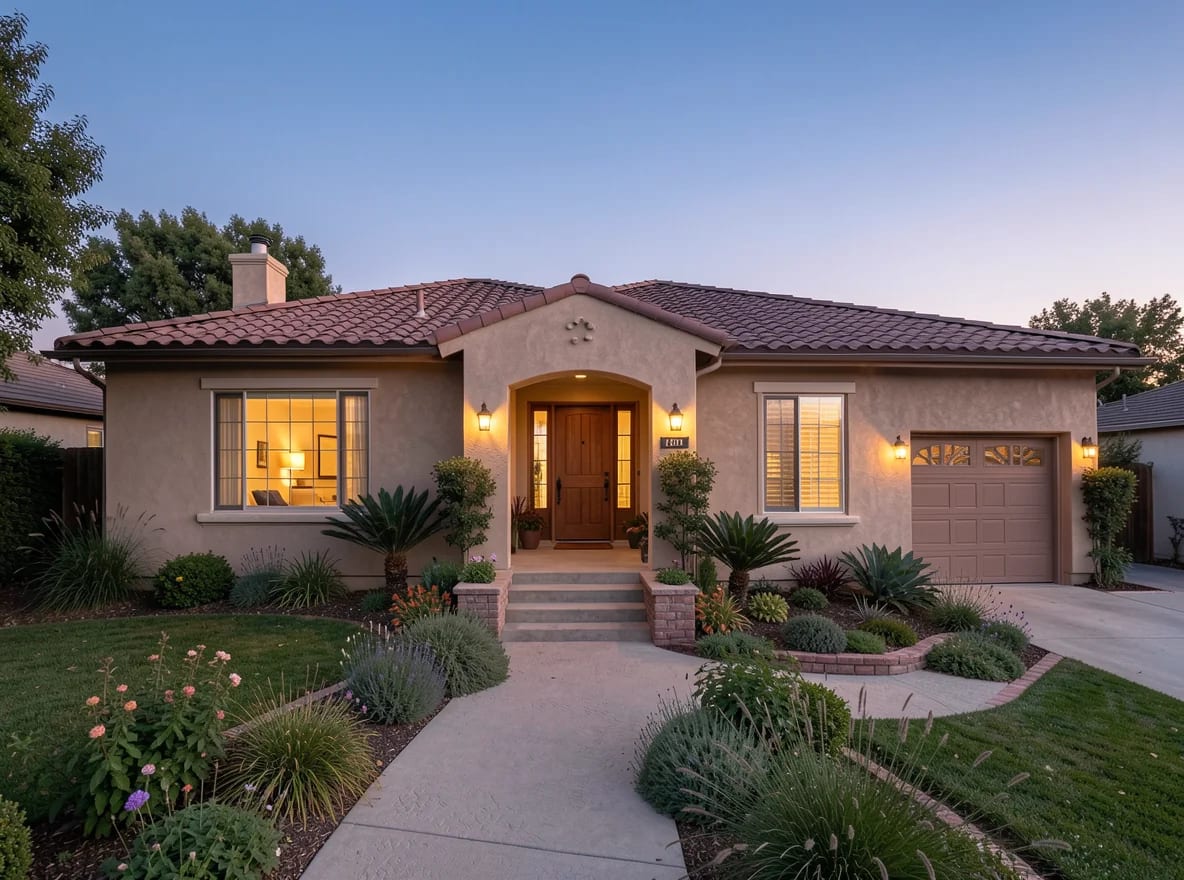
Buying your first home in Eastvale becomes more manageable when you know what happens between preapproval and receiving the keys. Learn how to compare loan costs, make an offer, navigate escrow, and prepare for the final steps without losing sight of your budget.
Start With a Budget, Not Just a Price
Before you tour homes, take a close look at what you want your monthly housing costs to be. A purchase price is only the beginning: your payment may also include property taxes, homeowners insurance, mortgage insurance, and homeowners association dues. Leave room for utilities, maintenance, moving expenses, and savings after closing.

In Eastvale, ask about the actual costs attached to each property rather than assuming every home has the same tax bill or association fees. Some properties may have special assessments or community facilities district charges, often called Mello-Roos. Review the available tax information and ask the appropriate professionals to help you understand what may apply after a sale.
Also think about how the space will work day to day. A garage, outdoor area, or room for a home office may be as important to your search as the number of bedrooms. Make a short list of priorities and separate the features you need from the ones you could add later.
A comfortable monthly payment includes more than principal and interest. Ask about property-specific taxes, special assessments, insurance, and any HOA dues before deciding what you can spend.
Get Preapproved and Compare Loans
A lender’s preapproval helps you understand a potential borrowing range before you make an offer. Expect to share information about your income, assets, debts, employment, and credit. Preapproval is not a final loan commitment; the lender will still review the property and verify your finances as the transaction moves forward.
Ask more than one lender about loan options and compare the details, not just the advertised interest rate. Conventional, FHA, and VA loans have different eligibility requirements, down payment rules, and costs. Some buyers may also qualify for assistance programs, but availability and terms can change. Ask lenders which programs you may qualify for and what restrictions apply.
Questions to bring to a lender
- How much down payment is required for each option, and will mortgage insurance apply?
- What are the estimated closing costs, interest rate, annual percentage rate, and monthly payment?
- Is the rate locked, for how long, and what could change before closing?
- How much cash should I keep available for reserves and expenses after the purchase?
Once you apply, review each lender’s Loan Estimate carefully. It lays out projected payments, fees, and cash needed to close in a format designed for comparison. Avoid major financial changes during the process, and check with your lender before taking on new debt or moving large sums between accounts.
Tour Homes and Prepare an Offer
With a budget and preapproval in hand, you can focus on homes that fit your priorities. Compare layouts, condition, commute routes, nearby amenities, and the ongoing costs of ownership. If schools matter to your search, verify current boundaries and enrollment information directly with the relevant district rather than relying on a listing alone.
When you find a property, your agent can help you review comparable sales and discuss an offer strategy. Price matters, but so do the proposed closing date, earnest money deposit, contingencies, and requests for seller credits. The right combination depends on the property, current competition, and your comfort with risk.
Contingencies give buyers opportunities to investigate or secure financing under the terms of the agreement. Common examples address inspections, the appraisal, and the loan. Review the deadlines and consequences with your agent before signing; removing a contingency can affect your ability to cancel and recover your deposit. Sellers may accept, reject, or counter an offer, so be ready to revisit both your priorities and your budget.
Understand What Happens in Escrow
Once the buyer and seller reach an agreement, escrow typically opens. An independent escrow holder follows the written instructions for the transaction, receives funds and documents, and coordinates with the parties involved. The purchase agreement sets important deadlines, including when the deposit is due and when investigations or other conditions must be addressed.
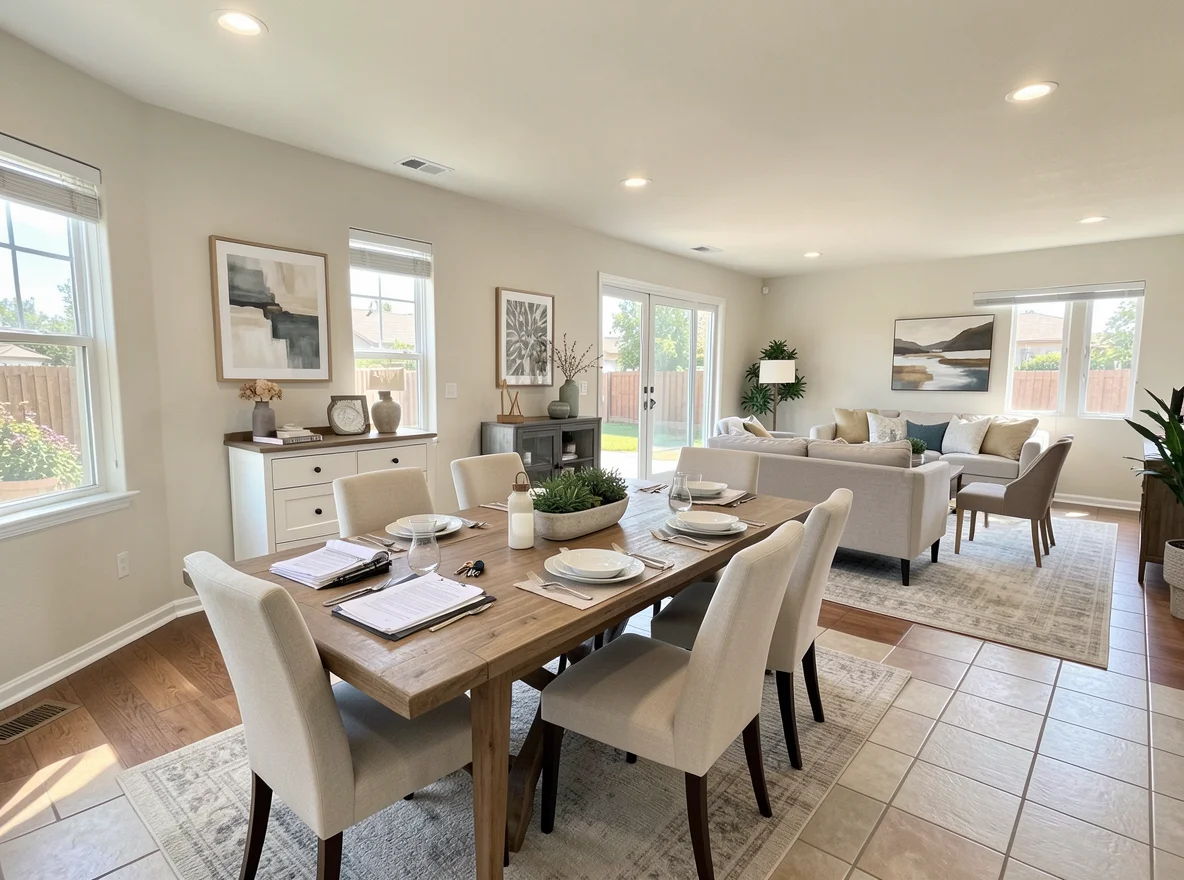
Arrange the inspections you consider necessary and review the seller’s disclosures. A general inspection can identify issues worth investigating further, while specialists may be appropriate for particular systems or concerns. Inspections do not guarantee that every defect will be found, so ask questions and read the reports closely.
If an issue arises, discuss your options with your agent before the applicable deadline. Depending on the contract and negotiations, you might request repairs or a credit, proceed as agreed, or exercise an available contingency. The seller does not have to agree to every request, and the signed contract governs your choices.
Escrow deadlines are not merely calendar reminders. Track inspection, loan, appraisal, and contingency-removal dates in your signed agreement and raise concerns before they expire.
Your lender may order an appraisal to assess the property for financing. If the appraised value comes in below the agreed price, discuss the choices with your lender and agent: the parties might renegotiate, you might need additional funds, or an applicable contingency may provide another path. Meanwhile, title and escrow documents can reveal matters affecting ownership, such as liens, easements, or recorded restrictions.
Review the Numbers Before Closing
As closing approaches, your lender will complete its underwriting review and provide a Closing Disclosure for a covered mortgage. Compare it with your Loan Estimate and ask about changes to the rate, fees, monthly payment, or cash required. In most cases, the lender must ensure you receive the Closing Disclosure at least three business days before consummation of the loan; certain changes can require a new waiting period.
Confirm your homeowners insurance arrangements, review any HOA documents, and plan for a final walkthrough. The walkthrough is a chance to check the property’s condition and verify agreed-upon items, not a substitute for an inspection. Also ask about possible supplemental property tax bills following the change in ownership so you can plan beyond the first payment.
Before sending closing funds, independently verify wiring instructions using a trusted phone number you obtained earlier, not a number in an unexpected email. Wire fraud can be costly, and legitimate instructions should be confirmed directly with the escrow holder. At signing, bring the identification requested and ask questions about any document you do not understand.
Move Forward With a Clear Plan
After documents are signed, funds are delivered, and the transaction is completed and recorded, your agent can confirm when possession and keys are available under the agreement. Keep your closing documents, insurance information, inspection reports, and warranties together for future reference.
Every purchase has its own timing and details, but the sequence is easier to navigate when you know what to ask at each stage. Mark Cheng can help you explore Eastvale homes, evaluate your priorities, and coordinate the next steps as you work toward a confident purchase.