

A successful Pasadena sale starts well before the listing goes live. With thoughtful repairs, purposeful staging, and a price grounded in current competing homes, sellers can create a clear first impression and make confident decisions from launch through closing.
Start With a Practical Pre-Listing Plan
Preparing a home for sale is not about making every room look brand new. It is about helping buyers understand the home’s condition, layout, and potential the moment they begin reviewing photos or walking through the property. In Pasadena, where architectural character can range from Craftsman-era details to mid-century lines and newer construction, the strongest preparation plans protect the features that make a property distinctive while reducing distractions that can pull attention away from them.
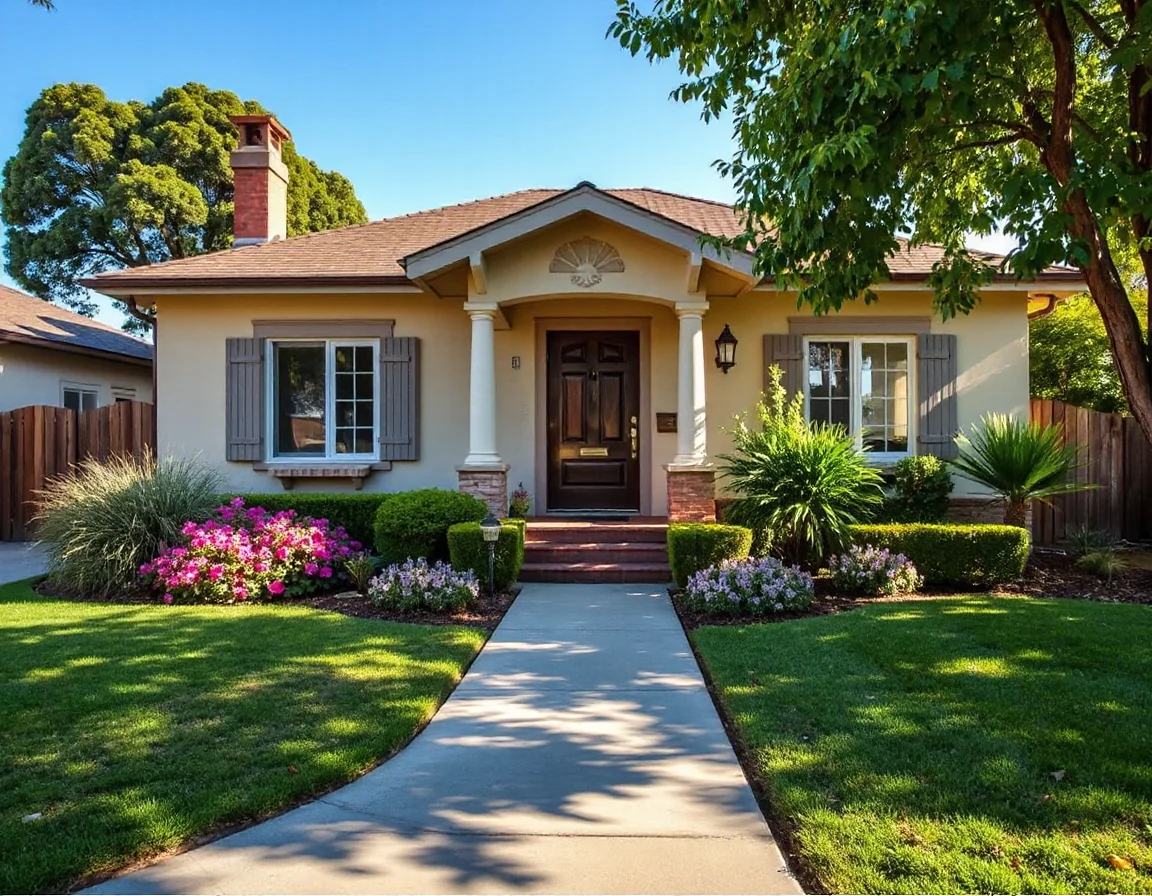
Begin with a room-by-room walk-through and make three lists: repairs that affect function, improvements that sharpen presentation, and projects that are unlikely to return their cost before a sale. A dripping faucet, loose cabinet pull, damaged screen, burned-out bulb, or sticking door can make a home feel less cared for than it actually is. Addressing these small items often creates more value in a buyer’s perception than a major remodel completed without a clear plan.
Outside, focus on the approach to the front door. Trim overgrown landscaping, clear leaves from walkways, refresh mulch where appropriate, and make sure house numbers, exterior lighting, gates, and the entry hardware are clean and working. A tidy exterior sets expectations for the rest of the visit. Inside, neutral cleaning, fresh air, and consistent lighting help rooms photograph more clearly and feel easier to evaluate during a showing.
The most useful pre-listing repairs are usually the visible, functional details buyers encounter in the first few minutes: entry hardware, lighting, paint touch-ups, flooring transitions, and clean windows.
It is also wise to gather documents early. Depending on the property, that may include permits, warranty information, utility records, recent invoices, HOA documents, solar agreements, or receipts for major improvements. Having information organized does not eliminate buyer questions, but it makes answers easier to provide when interest arrives. If a repair or update was completed recently, concise documentation can help clarify the scope and timing.
Stage for Clarity, Scale, and Light
Staging works best when it makes a home easier to read. Buyers should be able to move through each room and quickly understand its purpose, dimensions, storage, and connection to nearby spaces. This does not require removing every personal item or filling rooms with elaborate furnishings. It means editing what is already there so the home’s strongest attributes remain the focus.
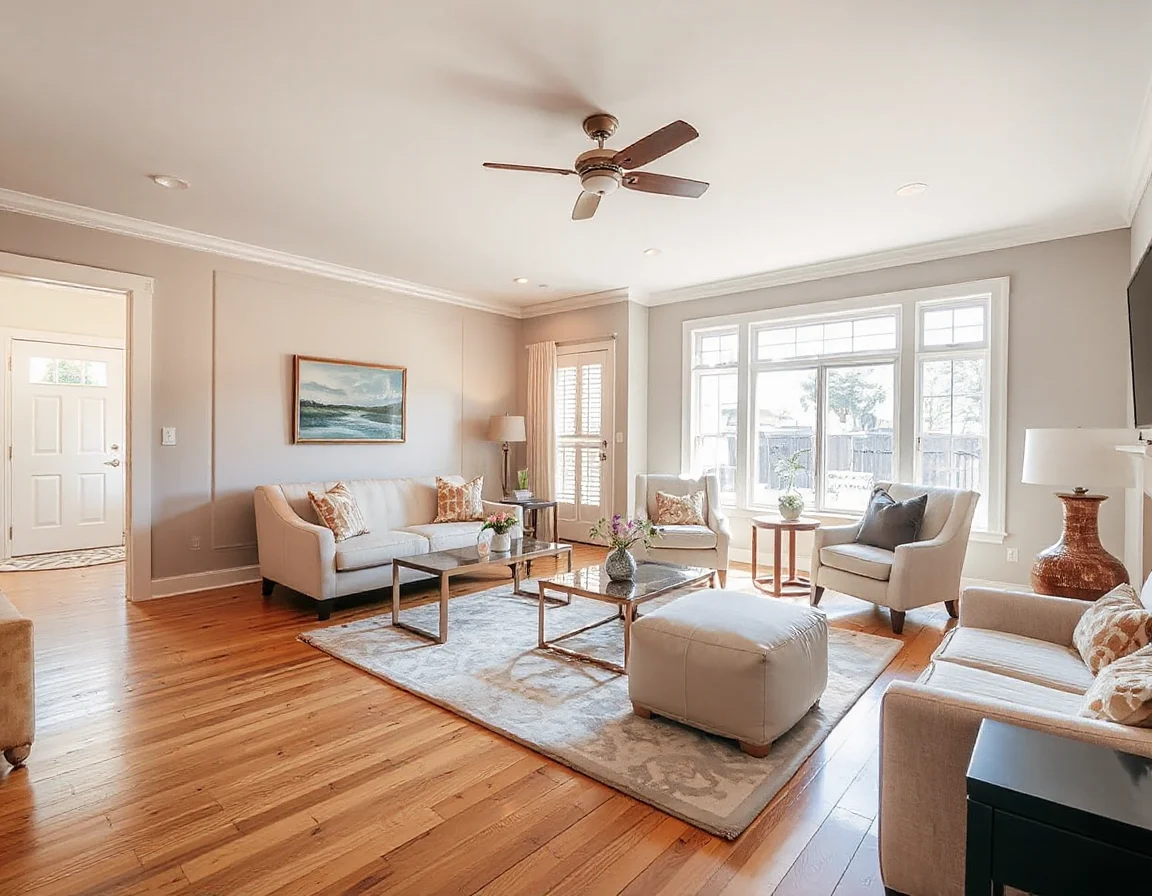
Start by reducing visual density. Clear kitchen counters except for a few intentional items, remove magnets and paperwork from appliances, and create breathing room on shelves and tabletops. In bathrooms, store daily-use products out of sight and display fresh towels. Closets benefit from the same treatment: fewer items and coordinated hangers can make storage areas appear more usable without changing a single square foot.
Furniture placement matters as much as furniture quantity. Open a walking path through the main living areas, avoid blocking windows, and remove pieces that make a room feel crowded. If a space has an unusual shape, a simple arrangement can help define how it functions. A compact desk might clarify a flexible nook, while a small dining setting can demonstrate the scale of an eating area. The goal is not to prescribe a lifestyle; it is to make the home’s features easy to see.
Light should be checked at several times of day. Replace mismatched bulbs with a consistent warm-white tone, open window coverings when privacy allows, and make sure exterior lighting works for evening showings. Professional photos benefit from a calm, balanced setting, and in-person visitors notice the same details. Before photography, remove pet items, visible cords, bins, excess rugs, and anything that competes with the room itself.
For homes with original architectural elements, retain the details that give the property its character. Built-ins, woodwork, tile, fireplaces, and distinctive windows often deserve careful cleaning and subtle styling rather than replacement. A polished presentation can make these features feel intentional and well maintained, while still allowing buyers to assess the home on its own terms.
Price From Today’s Competition, Not Yesterday’s Headlines
Pricing is where preparation becomes strategy. A home’s value is influenced by its location, condition, lot, layout, upgrades, and market activity, but the listing price must also account for the properties a buyer can choose from right now. Recent closed sales provide important context, while active and pending listings reveal the immediate competitive set. The most effective approach considers all three.
A thoughtful comparative market analysis looks beyond bedroom and bathroom counts. It weighs architectural style, usable square footage, outdoor areas, parking, renovation quality, lot characteristics, and proximity to local amenities and transportation routes. A home that appears similar online may differ meaningfully once those features are reviewed. The right list price should reflect those distinctions without assuming buyers will overlook other available options.
The first days on market provide the clearest feedback window. Strong showing activity and well-supported offers are useful signals; limited attention may point to price, presentation, timing, or a combination of factors.
It can be tempting to select a number based on a hoped-for outcome and adjust later. However, a launch that misses the market can lead to fewer showings and more questions as days accumulate. Pricing with current evidence gives the listing a more credible starting point and supports a focused marketing plan. That does not guarantee a particular result, but it helps sellers enter the market with a decision grounded in relevant information rather than guesswork.
Prepare for Showings Before the First Appointment
Once the property is live, make daily maintenance simple. Keep a designated basket or cabinet for last-minute items, secure valuables and sensitive documents, and establish a quick routine for counters, beds, lights, window coverings, and entry areas. The easier this routine is, the more consistently the home can be ready when a showing request comes in.
Feedback can be valuable when interpreted carefully. One comment may reflect an individual preference, but repeated observations can identify a pattern worth evaluating. If multiple visitors mention lighting, room flow, deferred maintenance, or price, review the issue alongside showing volume, online engagement, and competing listings. Sellers do not need to react to every opinion, but they should remain open to evidence.
A well-prepared Pasadena listing tells a coherent story: the home is cared for, its key features are visible, and its price is supported by the present market. By addressing repairs early, editing each room with intention, and reviewing data before launch, sellers can move forward with a clear plan and a stronger foundation for each decision that follows.