

An accepted offer is a major milestone, but it is only the beginning of the route to closing. In Arcadia, a thoughtful offer strategy, a disciplined inspection period, and clear follow-through on financing and documents can help keep a purchase moving with fewer surprises. Knowing what happens next lets buyers make decisions from a position of preparation rather than pressure.
Build an Offer Around the Whole Picture
Writing an offer on an Arcadia home involves more than choosing a price. The strongest approach considers recent comparable sales, the home’s condition, active competition, seller timing, financing terms, and the practical costs that may arise after closing. A well-organized offer communicates that the buyer is ready to proceed while still preserving appropriate opportunities to investigate the property.
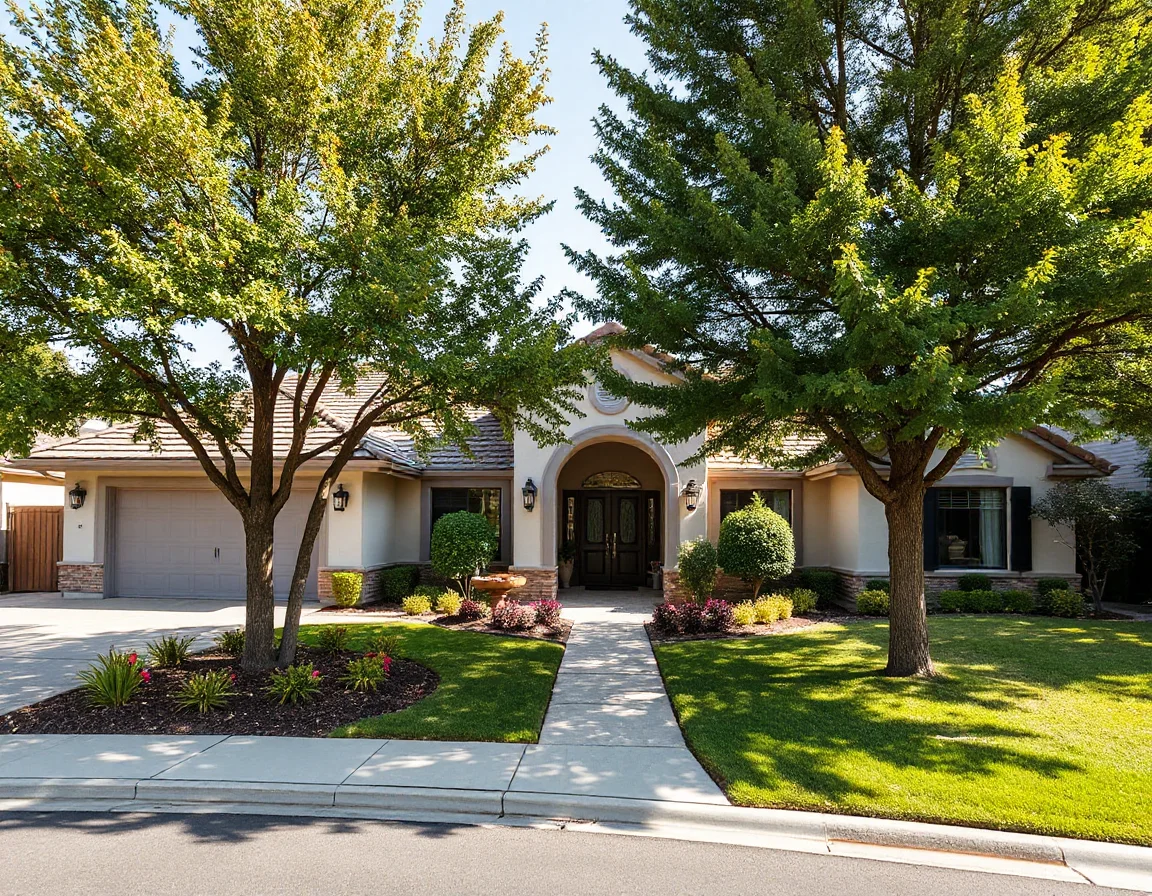
Start with the numbers that matter most: the proposed purchase price, earnest money deposit, down payment, loan type, requested closing date, and any seller credits or personal-property requests. Each item can affect how an offer is received. For example, a flexible possession date may be meaningful to a seller who needs time to coordinate a move, while a clearly documented financing plan can provide reassurance in a competitive situation.
Contingencies are another important part of the conversation. Inspection, appraisal, loan, and title contingencies give buyers defined periods to review information and confirm that the transaction still works for them. The right structure depends on the property, the buyer’s financing, and current market conditions. Removing or shortening protections simply to appear competitive can add risk, so it is worth understanding exactly what each deadline means before signing.
A clean offer is not necessarily the offer with the fewest safeguards. It is the offer with clear terms, credible documentation, and timelines the buyer can realistically meet.
Before submitting, buyers should review disclosures already available, verify proof of funds or lender preapproval, and make sure names, vesting choices, and loan details are consistent across documents. Small mismatches can create avoidable follow-up later. It is also useful to decide in advance where there is room to negotiate and where the budget needs a firm boundary. That preparation makes counteroffers easier to evaluate without rushing through a significant financial decision.
Use the Inspection Window to Learn, Not Panic
Once the contract is accepted, the inspection period turns attention from the offer terms to the home itself. A general home inspection commonly reviews visible and accessible systems and components, including roofing, electrical panels, plumbing fixtures, heating and cooling equipment, drainage observations, and structural elements. It is an educational step: the goal is to develop a clearer understanding of condition, maintenance, and possible future costs.
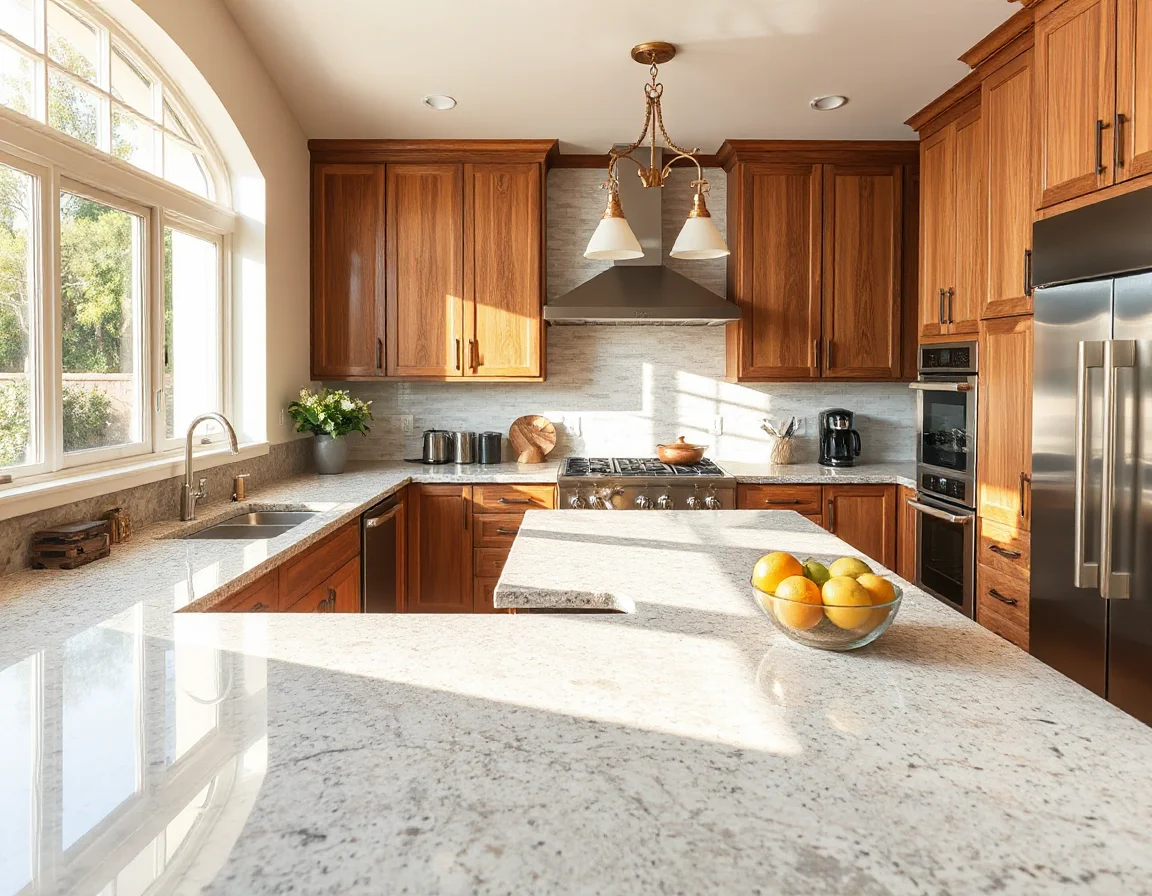
A general inspection is not the same as a warranty or a guarantee that every item will perform indefinitely. Depending on what the inspector observes, buyers may choose to consult specialists for areas such as the roof, sewer line, chimney, foundation, HVAC system, pool equipment, or pests. Older homes and homes with additions may particularly benefit from careful documentation review and targeted professional opinions where appropriate.
Inspection reports can be lengthy because they record both major concerns and routine maintenance items. Reading the report in categories can make it more manageable. Separate immediate health or safety concerns, items that could affect financing or insurance, repairs with a meaningful cost range, and ordinary upkeep. A worn weatherstrip, for instance, may belong on a maintenance list, while evidence of active water intrusion calls for more focused evaluation.
After reviewing the findings, a buyer may move forward as written, request repairs, request a credit, renegotiate where permitted, or exercise contractual rights to cancel within the applicable contingency period. The best path is fact-specific. Repair requests are usually strongest when they address material issues supported by reports, estimates, or additional specialist findings instead of attempting to reopen every cosmetic detail in the home.
Keep every inspection deadline on one calendar and allow time to read reports before the final day. A useful decision requires more than receiving a document—it requires time to understand it.
Disclosures deserve equal attention. Sellers may provide information about known conditions, prior work, neighborhood notices, permits, environmental matters, and other property-related topics. Buyers should read every page, ask questions in writing when something is unclear, and compare disclosures with inspection observations. This is also a sensible time to confirm property boundaries, utility arrangements, homeowner association information if applicable, and any planned improvements that could affect ownership costs or use of the property.
Keep Financing, Appraisal, and Escrow Moving Together
While inspections are underway, the lender continues processing the loan. Buyers can help by responding promptly to requests for updated bank statements, income documentation, explanations of deposits, insurance information, and identification. Avoid opening new credit accounts, making large undocumented transfers, changing employment without consulting the lender, or making major purchases before closing. Even well-intended changes can require additional underwriting review.
The appraisal is a separate milestone. The appraiser evaluates the property to provide an opinion of value for the lender’s use, typically relying on condition, location, features, and relevant comparable sales. If the appraised value meets or exceeds the contract price, the loan process generally continues as planned. If it comes in below the contract price, the parties may explore options under the contract, such as a price adjustment, additional buyer funds, a challenge supported by relevant information, or another negotiated solution.
Escrow and title also have essential roles. Escrow coordinates documents, receives funds, tracks instructions, and prepares for closing. The title review identifies matters recorded against the property, such as easements, liens, or covenants, so buyers can review the preliminary title report and ask questions before removing the title contingency. It is wise to review closing disclosures carefully, confirm wire instructions through a trusted verified phone number, and never rely on an unexpected email alone for financial instructions.
Prepare for the Final Days Before Closing
As closing approaches, the details become more concrete. Buyers commonly receive final loan documents, arrange the remaining funds due, secure homeowners insurance when required, and schedule a final verification of property condition. The final walk-through is not another inspection; it is an opportunity to confirm that the home is in substantially the agreed-upon condition, included items remain, and negotiated repairs or credits have been addressed according to the agreement.
Bring the contract, repair agreements, and inspection notes to the walk-through so there is a clear reference point. Check that fixtures and included appliances are present, look for new damage, and verify that any agreed work has supporting invoices or receipts if those were requested. If a concern arises, communicate it quickly so the appropriate parties can review it before documents are recorded.
Closing day is the result of many coordinated steps, but it should never be treated as a formality. Take time to understand the final figures, ask questions about documents that are unfamiliar, and retain copies of disclosures, reports, warranties, and closing paperwork in one accessible place. With a careful offer, a methodical due-diligence period, and steady coordination through escrow, buyers can approach an Arcadia closing with a much clearer view of both the home and the path ahead.