

Buying a home in Eastvale is easier to manage when the process is broken into clear decisions: financing, search criteria, offer strategy, inspections, and closing. A thoughtful plan helps you compare homes with confidence while keeping deadlines, costs, and local market conditions in view.
Start With a Clear Eastvale Buying Plan
Eastvale offers a mix of newer residential development, parks, retail corridors, and convenient access to major Inland Empire and Orange County routes. That combination can make the home search exciting, but it also means listings may vary widely in lot size, HOA structure, tax assessments, commute patterns, and condition. Before scrolling through photos, take time to define what matters most for your move.
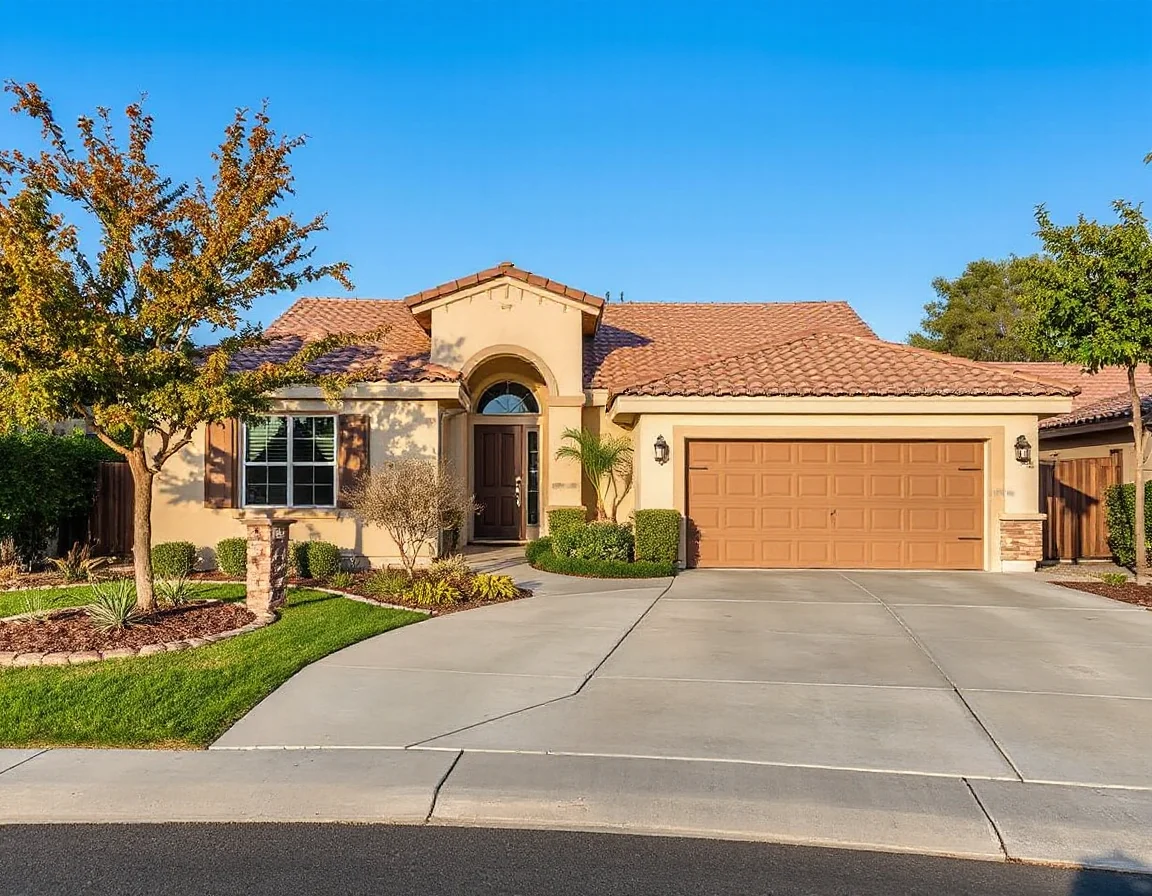
Begin with a practical list of nonnegotiables and preferences. Bedrooms, bathrooms, work areas, garage space, outdoor space, single-story versus two-story layouts, and monthly payment comfort all belong on the list. It is also helpful to note whether you are open to a property with an HOA, whether a pool is appealing, and how much maintenance you want to take on after closing.
Your search area can be more precise than simply “Eastvale.” Compare the distance from each listing to the routes, parks, services, and destinations you use most often. Drive by at different times of day when possible. A map can show proximity, but a visit reveals street activity, sunlight exposure, traffic flow, parking patterns, and the feel of the immediate block.
A home’s list price is only one part of the decision. Review the projected monthly payment with property taxes, HOA dues, insurance, and any special assessments included before deciding what feels comfortable.
It is also wise to separate needs from features that can be changed later. Flooring, paint, fixtures, and landscaping can often be updated over time. Location, lot orientation, floor plan, nearby road access, and governing documents are much harder to change. This distinction keeps the search focused when a well-presented home has cosmetic appeal but does not meet the basics.
Get Financing in Place Before You Fall in Love With a Listing
A full lender preapproval gives your search a working budget and prepares you to act when the right property appears. Unlike a quick online estimate, a preapproval generally reviews income, assets, credit, debts, and documentation in greater detail. Ask your lender what purchase price and monthly payment range they recommend, then leave room for closing costs, moving expenses, and any updates you may want to make.
Compare loan options based on more than the interest rate. The loan term, down payment, mortgage insurance, lender fees, rate-lock timing, and cash needed at closing can all affect the best fit. If you are considering a condominium or a home in a planned community, ask how HOA documents and property eligibility may affect the loan process. A lender who communicates clearly with your real estate team can help prevent last-minute surprises.
Keep your finances steady once you are preapproved. Avoid opening new credit accounts, making major purchases on credit, changing jobs without discussing the impact, or moving large amounts of money between accounts without documentation. Underwriting may require updated records shortly before closing, so a paper trail matters.
Tour With an Eye for the Details That Matter Later
Listing photos are useful for narrowing choices, but in-person tours are where the important questions begin. Look beyond staging and ask about the age and condition of major systems: roof, HVAC, water heater, windows, appliances, plumbing fixtures, electrical panel, and irrigation. Notice storage, natural light, room dimensions, and whether the layout works with your day-to-day routines.

For homes with an HOA, request and review the association documents early. These materials can explain dues, rules, reserves, insurance information, architectural guidelines, and any pending or recently approved assessments. The documents are not merely paperwork; they are part of understanding the ongoing cost and responsibilities connected to the property.
Pay attention to the exterior as carefully as the interior. Check drainage around the home, fencing, hardscape condition, visible cracks, tree placement, patio covers, pool equipment, and signs of deferred maintenance. A property inspection will provide a more thorough evaluation, but a careful first tour can help you decide whether to investigate further.
Eastvale’s warm, dry conditions can make exterior living areas especially noticeable, so assess them realistically. Consider shade, hardscape upkeep, irrigation, pool maintenance, and the condition of any outdoor kitchen or built-in features. These details can affect both enjoyment and the budget after purchase.
During a showing, take notes on each home immediately afterward. Small differences in layout, condition, and location are much easier to compare when your impressions are recorded before the next tour.
Build a Smart Offer Rather Than Focusing Only on Price
When you are ready to offer, your agent can help interpret current competition, recent comparable sales, listing time, disclosures, and the seller’s stated preferences. Price is important, but it is rarely the only term that matters. Closing date, contingency periods, earnest money, repair requests, appraisal planning, and the strength of your preapproval can shape how an offer is received.
A competitive offer should still protect your interests. California purchase contracts include important timelines and contingency procedures, and those dates deserve close attention. Make sure you understand when deposits are due, when investigations must be completed, when loan approval is expected, and how repair negotiations are handled. Fast decisions are easier when you have reviewed the process before a specific home is on the line.
Do not skip due diligence just to make an offer appear simpler. Inspections, disclosures, title review, appraisal, and final loan underwriting each serve a purpose. If a concern arises, ask for clarification from the appropriate professional rather than relying on assumptions. Your agent can coordinate communication, but specialized questions about condition, law, taxes, or lending should go to qualified inspectors, attorneys, tax professionals, and lenders.
Move Through Escrow With Fewer Surprises
Once an offer is accepted, the transaction shifts from choosing a home to verifying the details. You will typically review seller disclosures, schedule inspections, provide requested documents to your lender, obtain homeowners insurance, and monitor contingency deadlines. Maintain a single checklist and respond promptly to requests from escrow, your lender, and your agent.
The appraisal is another key milestone. It supports the lender’s assessment of value for the loan, but it is not a substitute for your own review of the home’s condition or your personal decision about value. If an appraisal comes in below the contract price, your team can explain the options available under the contract and help you evaluate the next step.
Near closing, review your final closing disclosure carefully and complete a final walk-through. The walk-through is an opportunity to confirm the property is in substantially the agreed condition, included items remain, and any negotiated repairs have been addressed. Bring your notes, repair documentation, and a methodical mindset.
A successful Eastvale purchase is not about racing through a checklist. It is about making informed choices at every stage, from the first budget conversation to the final walk-through. With a clear plan, solid financing, careful due diligence, and responsive guidance, you can approach the process prepared for the details that make a home purchase feel more manageable.