

Following Rancho Cucamonga housing prices is more useful when you look beyond a single headline number. By pairing recent comparable sales with active inventory, days on market, and seasonal patterns, buyers and sellers can make clearer decisions about pace, pricing, and preparation. This guide explains what to track and how to turn changing market signals into a practical next step.
Read the Market as a Moving Picture
A real estate market report can feel like a scoreboard: median price up, inventory down, sales pending. Those figures matter, but they do not tell the whole story on their own. Rancho Cucamonga includes a wide range of property types, from attached homes and townhomes to detached residences on different lot sizes, so the most useful question is often not “What is the market doing?” but “What are comparable homes like this one doing right now?”
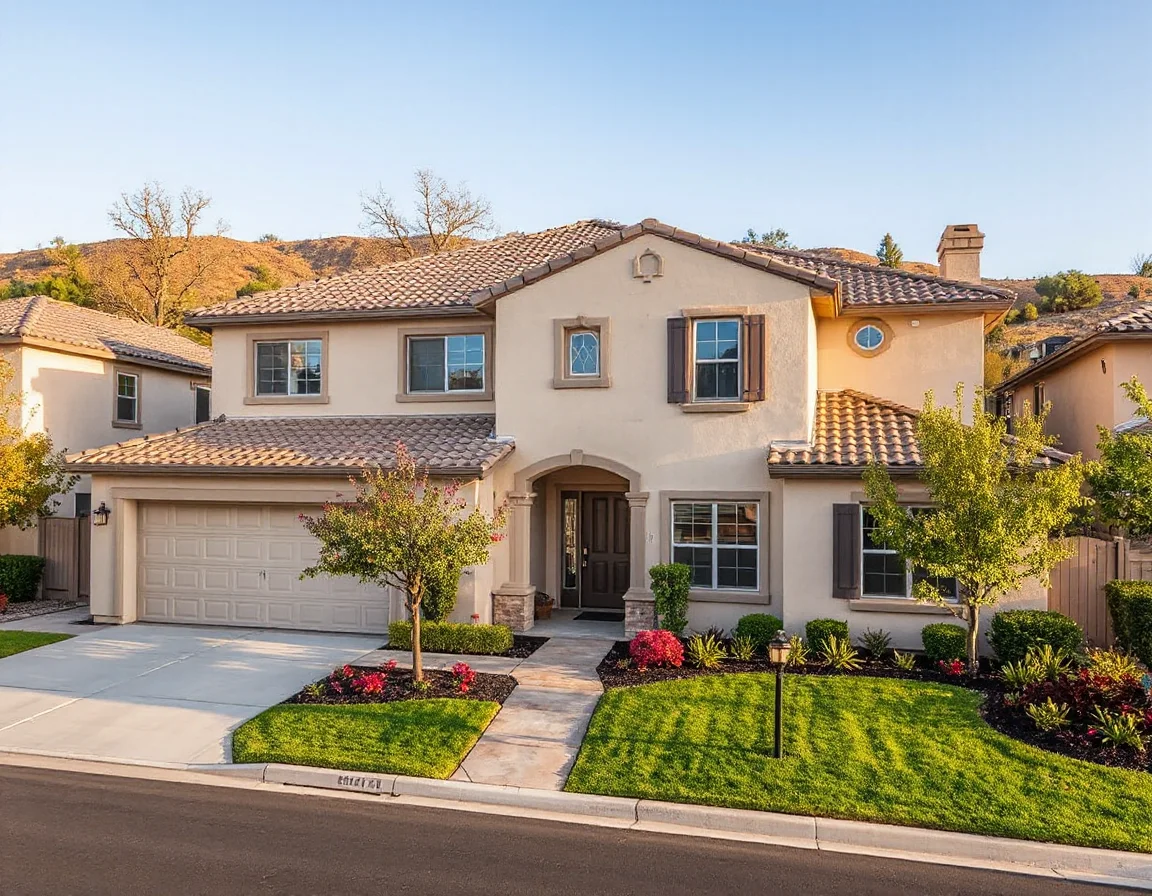
Start with closed sales. Sold listings show where purchasers and sellers actually reached agreement, not merely where a listing began. Look at properties with similar square footage, condition, layout, lot characteristics, and location. A renovated home with an updated kitchen and outdoor living area may command a different response than a similar-sized home that needs substantial work, even when both are in the same ZIP code.
Then compare those sales with current competition. Active listings reveal the choices available to buyers today, while pending listings can indicate which features and price points are generating movement. If several comparable homes are sitting while one is pending quickly, inspect the difference: presentation, list price, condition, lot orientation, association dues, or repair needs may explain more than a citywide average.
A median price is a useful temperature check, but a pricing decision should be grounded in the closest recent comparable sales and the homes buyers can tour today.
It also helps to separate asking prices from final sale prices. The gap between the two can provide a clue about negotiation conditions. A smaller gap may reflect close alignment between expectations and recent market evidence; a wider gap can signal that initial pricing has been more ambitious than buyer response supports. Neither result is automatically good or bad—it is context for deciding how to position a property or structure an offer.
Inventory Explains the Pace of Competition
Inventory is simply the number of homes available for purchase at a given time, but its effect is powerful. When there are fewer comparable homes on the market, a well-prepared listing may receive more attention because buyers have fewer alternatives. When choices expand, presentation, condition, and an evidence-based list price become even more important. The key is to track inventory within a specific property segment rather than relying solely on all-home totals.
For example, inventory for a particular price range can move differently from inventory across Rancho Cucamonga as a whole. A buyer considering a condominium may be responding to a different set of listings and monthly costs than someone looking at a detached residence. Sellers benefit from knowing whether newly listed comparable properties are appearing faster than properties are going pending or closing.

Days on market adds another layer. This measure counts how long a listing has been available before it goes pending or closes, depending on the report. Faster movement can suggest strong demand for a particular type of home, but it should be interpreted alongside price adjustments and the number of recent sales. A home can receive rapid activity because it is competitively priced, while another may remain available because its condition, terms, or initial price requires a closer look.
A balanced review includes the direction of change. Are more listings entering the market each week? Are price reductions becoming more common? Are pending sales keeping up with new inventory? These questions help turn raw numbers into a useful conversation about leverage, timing, and expectations.
Watch the relationship between new listings and pending sales over several weeks. That trend often provides a clearer signal than one unusually busy or quiet weekend.
Search Rancho Cucamonga listings
Use Seasonal Timing Without Letting It Make the Decision
Seasonality can shape listing activity in Southern California, but it should not replace a property-specific strategy. Spring often brings more new listings and more buyer attention. Summer can remain active while schedules and travel affect showing patterns. Fall may offer a steadier environment for buyers who are actively searching, while winter can bring fewer listings and fewer competing transactions. Every year has exceptions, especially when mortgage rates, employment trends, and consumer confidence change.
For sellers, timing starts with preparation. Completing deferred maintenance, organizing disclosures, refreshing landscaping, decluttering rooms, and arranging professional photography can take longer than expected. Launching before the home is ready can limit the impact of its first days on market, when many buyers and their agents are paying close attention to new listings. A thoughtful timeline allows for repairs, staging decisions, pricing analysis, and a clean rollout.
For buyers, timing is less about waiting for a “perfect” month and more about being ready when a suitable home appears. That means reviewing financing options, understanding likely monthly costs, clarifying must-have and flexible features, and watching comparable listings before making an offer. Preparation can make it easier to respond calmly when market conditions shift.
- Review recent closed sales, pending sales, and active listings in the relevant property category.
- Compare days on market and price adjustments rather than focusing on list price alone.
- Consider condition, location, association costs, and property features when evaluating value.
- Revisit the data regularly; a report from several months ago may not reflect current competition.
Build a Local Plan Around Real Evidence
Rancho Cucamonga’s foothill setting, trail access, parks, retail destinations, dining options, and connections to regional transportation all contribute to the area’s appeal, yet real estate decisions still come down to the individual property. Two homes only a short distance apart can attract different attention because of layout, upgrades, views, lot use, or monthly ownership costs. Local market knowledge is most valuable when it is specific enough to account for those details.
Before listing, request a current comparative market analysis and discuss the likely buyer alternatives at the same price point. Before purchasing, study recent transactions and ask how an active listing compares with the homes that have already sold. A clear strategy does not promise a particular outcome; it gives you a practical framework for evaluating new information as it arrives.
Tracking price, inventory, and timing is ultimately about replacing guesswork with perspective. Whether you are monitoring the market for a future move or preparing to act soon, consistent local data can help you recognize opportunity, set realistic expectations, and make decisions with greater confidence.