

Buying a home in Tustin involves more than finding the right floor plan and location. The real momentum happens when financing is lined up, inspections are handled carefully, and closing deadlines are managed with precision. A clear plan can help you move from offer to keys with fewer surprises and more confidence.
Start With Financing Before You Tour Too Far
Home searches often feel most exciting at the showing stage, but the strongest buyers usually do their groundwork first. In Tustin, where pricing can vary widely by property type, lot size, condition, and neighborhood location, financing preparation helps you understand what is realistic before emotions get attached to a specific address. That means reviewing your budget, checking credit, gathering income documentation, and getting pre-approved instead of relying on a rough online estimate.

A pre-approval letter gives your offer more credibility because it shows a lender has already reviewed key financial details. It also helps you compare loan programs with a practical lens: interest rate, estimated monthly payment, cash needed to close, reserve requirements, and whether you want to preserve funds for repairs or improvements after move-in. Buyers in this stage should also ask about rate locks, lender timelines, and how quickly the loan team can update documents if a competitive offer situation develops.
A pre-approval is most useful when the numbers reflect your full monthly housing cost, including taxes, insurance, association dues if applicable, and a cushion for ongoing maintenance.
Just as important, financing early can reveal constraints before they become deal breakers. A condominium may have different approval considerations than a detached home. A property needing repairs may fit one loan product but not another. When you know those limits in advance, you can focus your search on homes that match both your goals and your loan structure, which saves time and reduces frustration.
What Inspections Really Tell You About a Property
Once an offer is accepted, inspections become one of the most valuable parts of the transaction. A general home inspection gives you a professional overview of the structure and major systems, including roofing, electrical, plumbing, HVAC, windows, drainage, and visible signs of wear. That does not mean every issue is a crisis. In many cases, the report simply helps you separate routine maintenance from more significant repairs so you can make an informed decision.
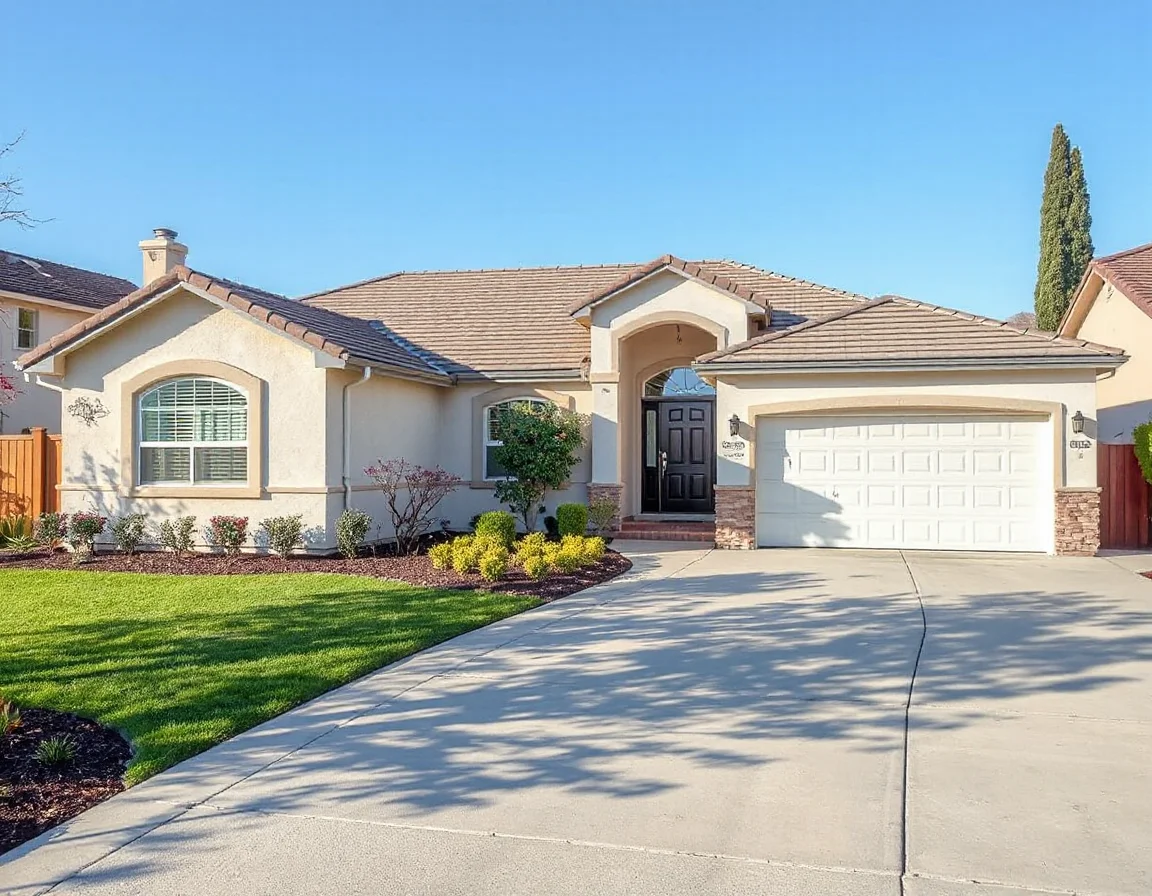
In Tustin, inspections can be especially useful when comparing older homes with remodeled properties or newer construction with builder finishes still in place. A home that looks polished on the surface may still have deferred maintenance in less visible areas, while an older property may show solid long-term upkeep despite cosmetic age. Depending on the home, buyers may also consider additional specialists for sewer lines, foundations, chimneys, pool equipment, or pests.
The key is to use the inspection period strategically. Read the report closely, ask follow-up questions, and prioritize findings by cost, urgency, and safety impact. Some items may support a repair request or credit negotiation. Others simply become part of your ownership planning. The goal is not to find a flawless house; it is to understand the condition of the one you are buying.
Inspection reports often look overwhelming at first glance. Focus first on major systems, water intrusion, structural concerns, and items that could affect financing or insurance.
It also helps to keep expectations calibrated. Nearly every home, even a recently updated one, will produce a list of notes. What matters most is whether the issues are manageable within your budget and timeline. A calm review process leads to better decisions than reacting to the length of the report alone.
Appraisal, Disclosures, and Escrow Deadlines Matter More Than Buyers Expect
After inspections, the transaction moves into a phase that feels quieter but is just as important. The appraisal, seller disclosures, escrow paperwork, and lender conditions all work together behind the scenes. If any one of these pieces lags, closing can become more stressful than it needs to be. Buyers who stay organized during this stage tend to have smoother outcomes.
The appraisal is the lender’s value check, and it matters most when pricing is tight or multiple-offer competition has pushed terms upward. If the appraised value meets or exceeds the purchase price, the file keeps moving. If it comes in lower, buyers and sellers may need to renegotiate, adjust cash contribution, or revisit terms. Knowing your financing flexibility in advance makes this easier to navigate.
Disclosures deserve the same level of attention as the inspection report. These documents may address repairs, upgrades, past claims, material facts known to the seller, and neighborhood or property-related details that can affect ownership. Reviewing them thoroughly gives you a more complete picture of what you are purchasing and may prompt smart follow-up questions before contingencies are removed.
Closing Week Is About Precision, Not Guesswork
The final stretch usually includes loan approval updates, signing appointments, wiring instructions, and a final verification of funds needed to close. This is not the moment to make major financial changes. Avoid opening new credit accounts, changing jobs without lender guidance, moving large sums between accounts without documentation, or making large purchases that alter your debt picture. Even late in escrow, lenders may re-verify employment, credit, and available funds.

The final walk-through is another practical checkpoint. This visit is typically about confirming the property is in substantially the agreed-upon condition, that negotiated repairs have been completed if applicable, and that included items remain in place. It is not a second inspection, but it is your chance to verify the home you are about to purchase is the one described in the contract.
Closing disclosures should also be reviewed carefully. Compare lender fees, prepaid items, credits, and cash-to-close numbers against earlier estimates. Small changes can happen, but buyers should understand what changed and why. Wire instructions must always be confirmed through trusted channels, since real estate wire fraud remains a serious risk in many markets.
When all of these moving parts are coordinated well, closing becomes less about last-minute scrambling and more about completing a process you have been preparing for from day one. That preparation is what turns a complicated transaction into a manageable one.
A Smart Tustin Purchase Comes Down to Preparation
Buying in Tustin can be exciting because the city offers a range of housing options, established neighborhoods, convenient access to major routes, and a mix of everyday amenities that continue to attract buyer attention. Still, the best outcomes usually come from process discipline rather than speed alone. Financing clarity helps shape a realistic search, inspections reveal the true condition of the property, and careful closing management keeps the deal on track.
If you approach each step with solid information and a clear timeline, you put yourself in a better position to evaluate homes confidently and respond to issues without losing momentum. In a market where details matter, that kind of preparation is often the difference between a stressful purchase and a well-executed one.