
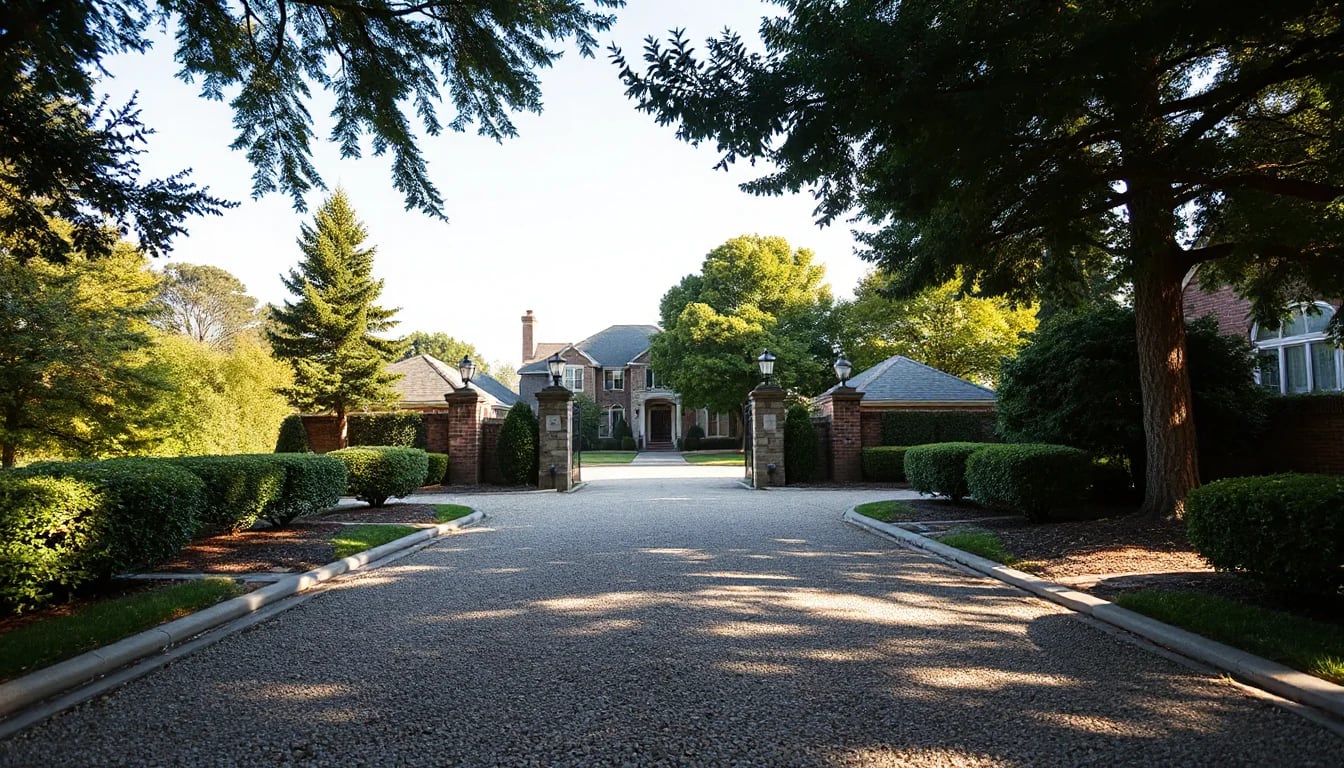
Buying your first home in Lake Forest can feel like a lot of moving parts, but the process becomes far more manageable when you break it into clear steps. From getting loan-ready to reviewing disclosures and preparing for closing day, each phase has practical milestones that help you move forward with confidence. This guide walks through the sequence in plain language so you know what to expect, what to ask, and where timing matters most.
Start With Budget, Credit, and Loan Preparation
The first step in any home purchase is understanding what you can comfortably afford before looking at listings. That means reviewing monthly income, existing debt, savings for a down payment, estimated closing costs, and the ongoing expenses of ownership such as insurance, property taxes, maintenance, and utilities. In a market like Lake Forest, where pricing, HOA dues, and inventory can vary by neighborhood and property type, an early budget review helps narrow your search to homes that fit both your goals and your finances.

Once you have a working budget, the next priority is mortgage pre-approval. A lender typically reviews income documentation, credit history, assets, and debt obligations to estimate how much you may be able to borrow. Pre-approval is different from a casual online estimate; it gives you a more realistic price range and shows sellers that your financing has already been reviewed. It can also help you compare loan options such as conventional, FHA, or VA financing, along with interest rate structures, reserve requirements, and expected cash needed at closing.
A strong pre-approval can save time later because it helps you focus on homes that match your financing range before you start writing offers.
For first-time buyers, this stage is also where questions matter most. Ask about the full monthly payment, not just principal and interest. Ask how much earnest money is typical, how rate locks work, and what could affect final approval. Small details discovered early, like a credit issue, a large recent deposit, or a change in employment documentation, are much easier to resolve before you are under contract.
Define What You Need Before Touring Homes
After financing is in motion, home shopping becomes much more productive when you separate must-haves from preferences. Instead of trying to find a perfect home, focus on the features that matter most to your daily routine: number of bedrooms, layout, yard size, parking, workspace, proximity to major routes, and whether a condo, townhome, or detached house best fits your plans. Lake Forest offers a mix of established neighborhoods, newer communities, and different housing styles, so a clear priority list helps you evaluate options consistently.
It also helps to understand what is happening in the local market while you search. Inventory levels, average days on market, and seller concessions can all shape your strategy. In a faster market, buyers may need to move quickly when a well-priced property appears. In a more balanced stretch, there may be more room for inspections, credits, or negotiation on terms. Looking at homes without context can lead to overreacting to list prices or missing opportunities that are actually competitive.

As you tour homes, look past staging and pay attention to fundamentals. Notice natural light, room flow, storage, window placement, roofline condition from the exterior, traffic sound, and visible signs of deferred maintenance. If a property has an HOA, review what the dues cover and whether there are rules or shared amenities that affect cost and use. These practical details shape value just as much as cosmetic updates.
The homes that create the most competition are often the ones that combine solid condition, realistic pricing, and a layout that works well without major remodeling.
It is also useful to revisit your priorities after a few showings. Many first-time buyers discover that one feature they thought was essential matters less in person, while another becomes more important once they walk through real homes. That adjustment is normal and often leads to better decisions.
Write an Offer With Terms That Match the Property
When you find the right home, your offer is more than a price. It includes financing terms, contingency periods, earnest money, the requested closing timeline, and any credits or inclusions. A competitive offer should reflect the property’s condition and current market pace rather than relying on a one-size-fits-all template. In some situations, a cleaner timeline may matter as much as price; in others, stronger inspection or appraisal terms may be more important for your protection.
After acceptance, the transaction enters one of its busiest phases. You will typically deposit earnest money, schedule inspections, provide documents requested by your lender, and begin reviewing disclosures from the seller. These disclosures can include information about known property conditions, repairs, HOA materials, and other relevant documents. First-time buyers sometimes focus so much on “winning” the house that they do not leave enough time to read everything carefully. That review period is one of your best opportunities to understand exactly what you are purchasing.
If inspections uncover issues, the next step may involve negotiating repairs, credits, or a revised price. Not every finding is a deal breaker, and not every older component needs immediate replacement. The key is understanding the difference between routine maintenance items and major concerns that affect value, safety, function, or future cost. This is where calm evaluation matters more than emotion.
Move From Final Loan Approval to Closing Day
Once inspections and disclosures are handled, the focus shifts back to financing and final approvals. Your lender may order an appraisal, update bank statements, verify employment again, and request explanations for recent account activity. During this time, avoid making large purchases, opening new credit accounts, or moving money around without checking with your lender first. Even positive financial changes can create extra documentation requests if they happen too close to closing.

As closing approaches, you will receive figures showing your final cash to close, including down payment, lender charges, title and escrow costs, prepaid items, and credits if applicable. Review these numbers carefully so there are no surprises. You will also schedule a final walkthrough, which is your chance to confirm the property is in substantially the agreed-upon condition and that any negotiated items have been completed or left as expected.
Closing day itself is usually more administrative than dramatic. You sign documents, funds are transferred, and once recording is confirmed, the sale is complete. The keys may arrive the same day or shortly after, depending on timing. For many first-time buyers, the biggest surprise is that the final stretch can feel both fast and quiet at the same time: lots of signatures, lots of coordination, and then suddenly the home is yours.
Buying your first home in Lake Forest is less about rushing through a checklist and more about making informed choices one step at a time. When you understand the flow from pre-approval to offer, inspections, loan conditions, and closing, the process becomes clearer and more manageable. A good plan will not remove every decision, but it will help you approach each one with better information and a steadier sense of direction.