
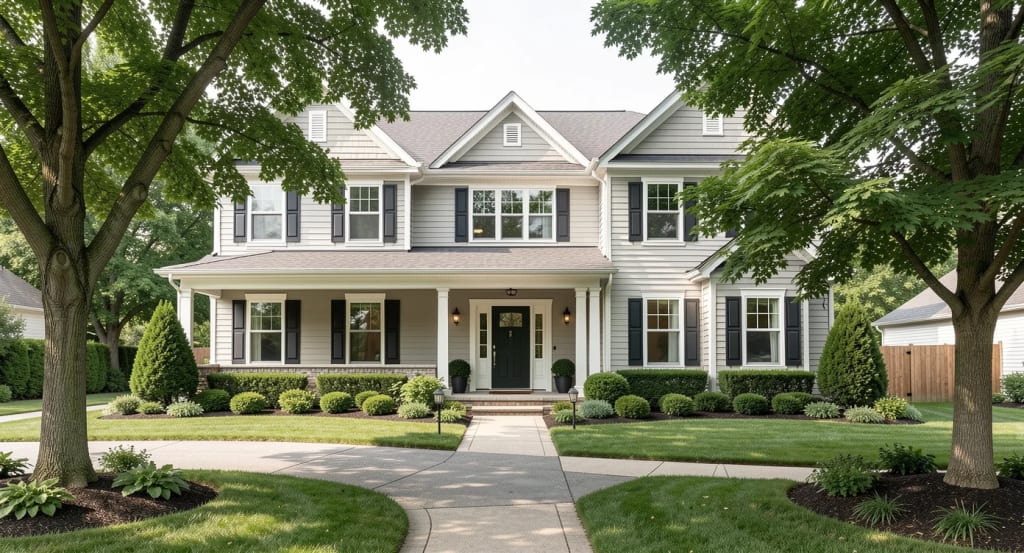
Buyer Guide for Irvine and Pasadena: How to Navigate Financing, Inspections, and Closing
A Practical Buyer Guide for Irvine and Pasadena
Buying a home can feel like a series of major decisions compressed into a short timeline, especially in competitive Southern California markets. In Irvine and Pasadena, that process often moves quickly, with well-prepared buyers gaining an edge through strong financing, clear expectations, and a steady approach from offer to closing. A little preparation upfront can make the entire experience more manageable and help you focus on the homes and neighborhoods that fit your goals.
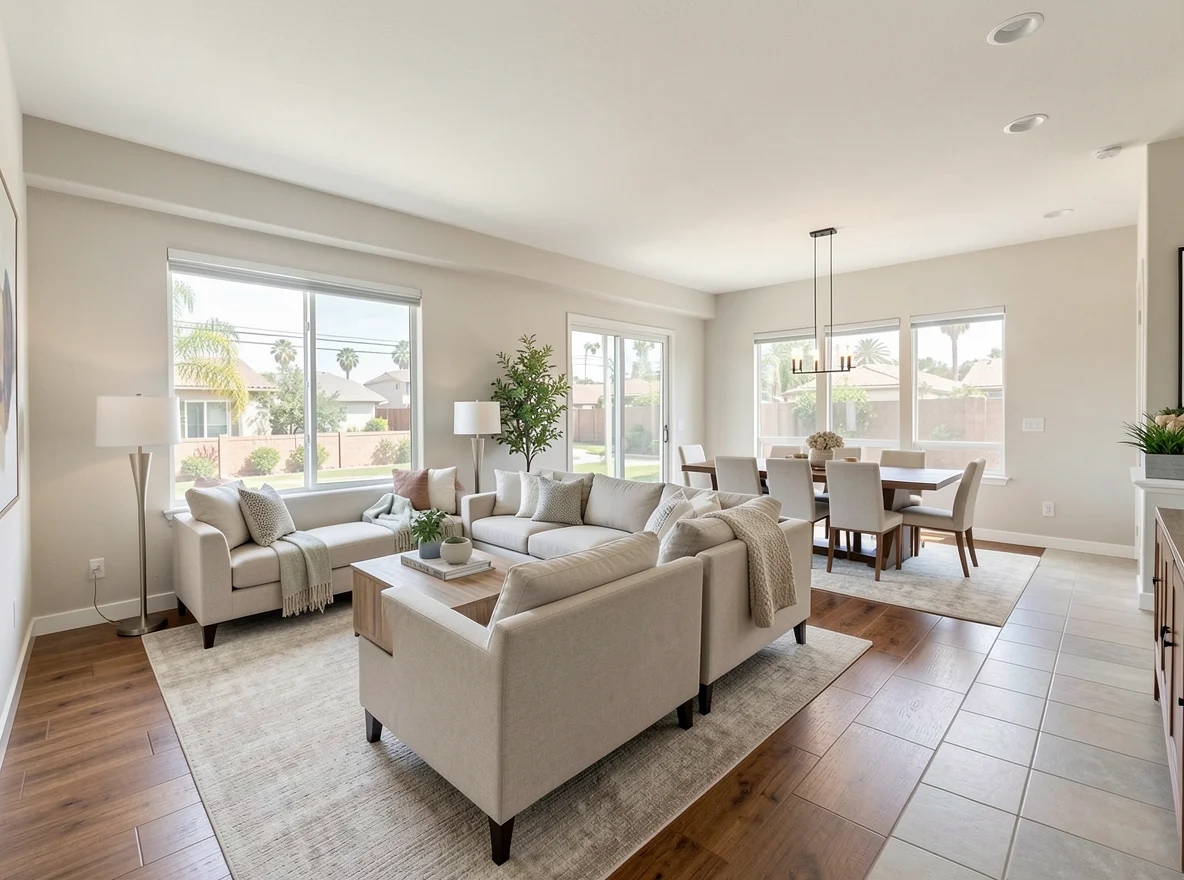
The first step is financing, and in markets like these, it matters long before you tour a property. A full pre-approval from a reputable lender usually carries more weight than a basic pre-qualification because it signals that income, assets, and credit have already been reviewed. Buyers should understand not only their maximum approval amount, but also the monthly payment range that feels comfortable once mortgage, property taxes, insurance, HOA dues, and maintenance are factored in. In Irvine, planned communities and condominium options may introduce additional association fees, while in Pasadena, older homes may come with different upkeep considerations that affect the true cost of ownership.
It also helps to compare loan products early. Conventional financing, jumbo loans, adjustable-rate options, and rate buydowns can all shape purchasing power in different ways. Some buyers focus on getting the lowest rate possible, while others prioritize flexibility, lower upfront cash requirements, or a payment strategy that fits an expected timeline. In either city, strong financial preparation can position you to act decisively when the right listing appears, and it can reduce surprises once you are under contract.
Beyond the loan itself, buyers should budget for closing costs, appraisal fees, inspections, reserves, and possible repair expenses after move-in. That broader view is especially useful in areas where homes can range from newer turnkey residences to character properties with distinctive architecture and mature landscaping. Knowing your numbers before making an offer allows you to negotiate with more confidence and avoid stretching beyond a sustainable monthly budget.
What to Watch for During Inspections
Once an offer is accepted, inspections become one of the most important checkpoints in the transaction. They are not simply a formality; they are your opportunity to better understand the condition of the property and any future maintenance priorities. A general home inspection is the baseline, but depending on the age, style, and location of the home, buyers may also consider roof, sewer, chimney, foundation, HVAC, mold, or pest inspections.
In Pasadena, where many properties reflect older architectural styles and long-established neighborhoods, inspections may reveal issues tied to aging systems, deferred maintenance, drainage, or previous remodeling work. In Irvine, buyers may encounter newer construction, attached housing, and communities governed by associations, making it important to review not just the physical unit but also shared-area obligations, HOA rules, reserve funding, and recent association documents. The goal is not to find a “perfect” property; it is to understand condition, estimate future costs, and decide whether the home still aligns with your priorities.
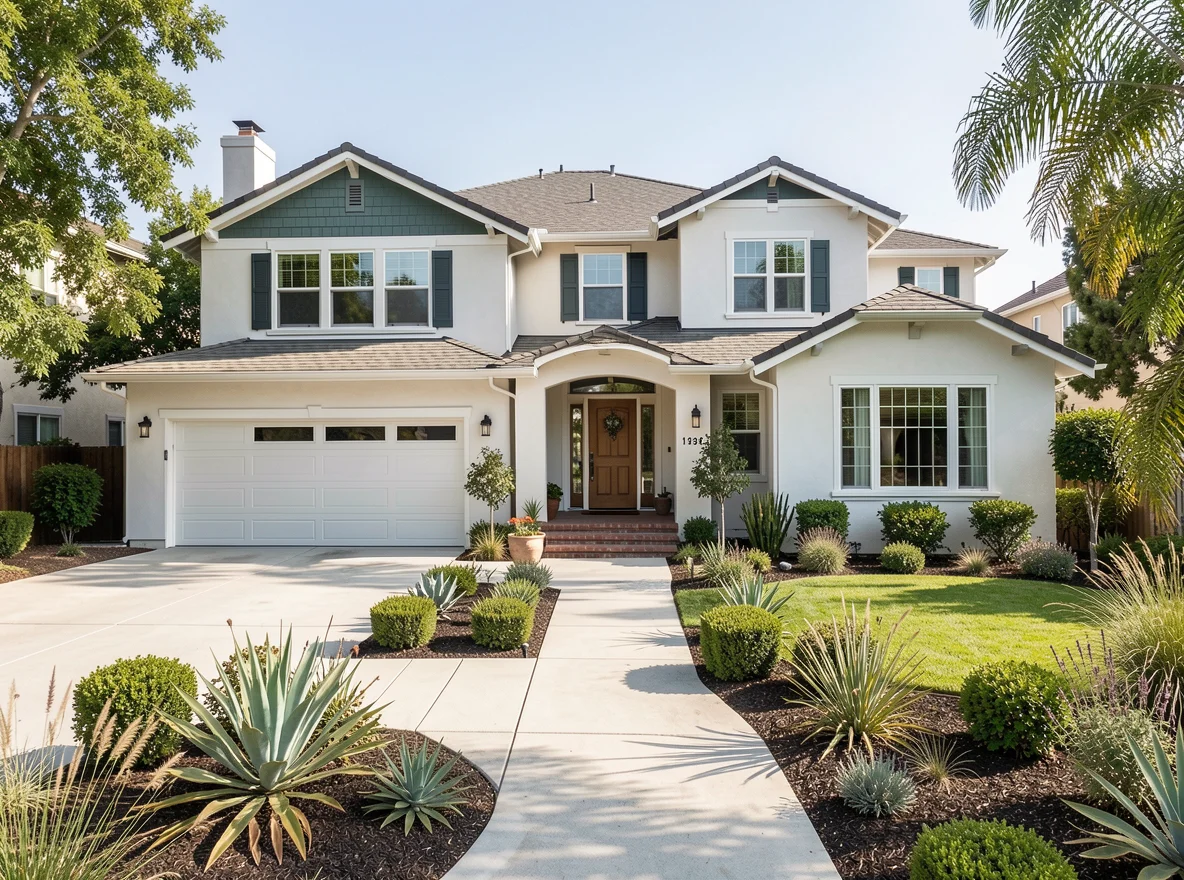
Inspection reports can look overwhelming at first because they often include every observed issue, from simple maintenance items to larger concerns. What matters most is context. A worn weather strip, aging water heater, or minor stucco crack may be very different from a significant roof problem or substantial foundation movement. Buyers benefit from reviewing reports carefully with their agent and, when needed, bringing in specialists for more detailed evaluation. That step helps separate routine upkeep from expensive repairs that could affect negotiations or long-term plans.
Contingency timelines are another reason to stay organized. Ordering inspections promptly, reading disclosures closely, and asking focused questions can prevent last-minute stress. Even when a seller is not expected to make repairs, the inspection period can inform requests for credits, pricing adjustments, or decisions about whether to proceed. In a fast-moving market, a calm and informed response often matters more than reacting to every line item in a report.
From Offer Strategy to Closing Day
Closing is where preparation, paperwork, and timing all come together. After inspections and contingency decisions, the transaction typically moves through appraisal, loan underwriting, title review, and final document preparation. Buyers should expect requests for updated bank statements, pay stubs, or explanations for large deposits, even if those items were already discussed with the lender earlier. The best approach is to keep finances stable during escrow: avoid opening new credit lines, making major purchases, or shifting money between accounts without first consulting your lender.
Appraisals can be especially important in active markets. If a home appraises at or above the contract price, the process can continue smoothly. If it comes in lower, buyers and sellers may need to renegotiate, adjust the down payment structure, or revisit terms. That possibility is one reason buyers should discuss appraisal strategies with their agent before submitting an offer, particularly for homes attracting strong interest.
Title and escrow also deserve close attention. Reviewing the preliminary title report, HOA documents if applicable, seller disclosures, and any local transfer information can uncover practical details that affect ownership after closing. Buyers should understand what is included with the property, when utilities transfer, how property taxes are handled, and what deadlines apply to signing final documents and wiring funds. A final walkthrough shortly before closing provides one last chance to confirm the property’s condition and verify that agreed-upon items remain in place.
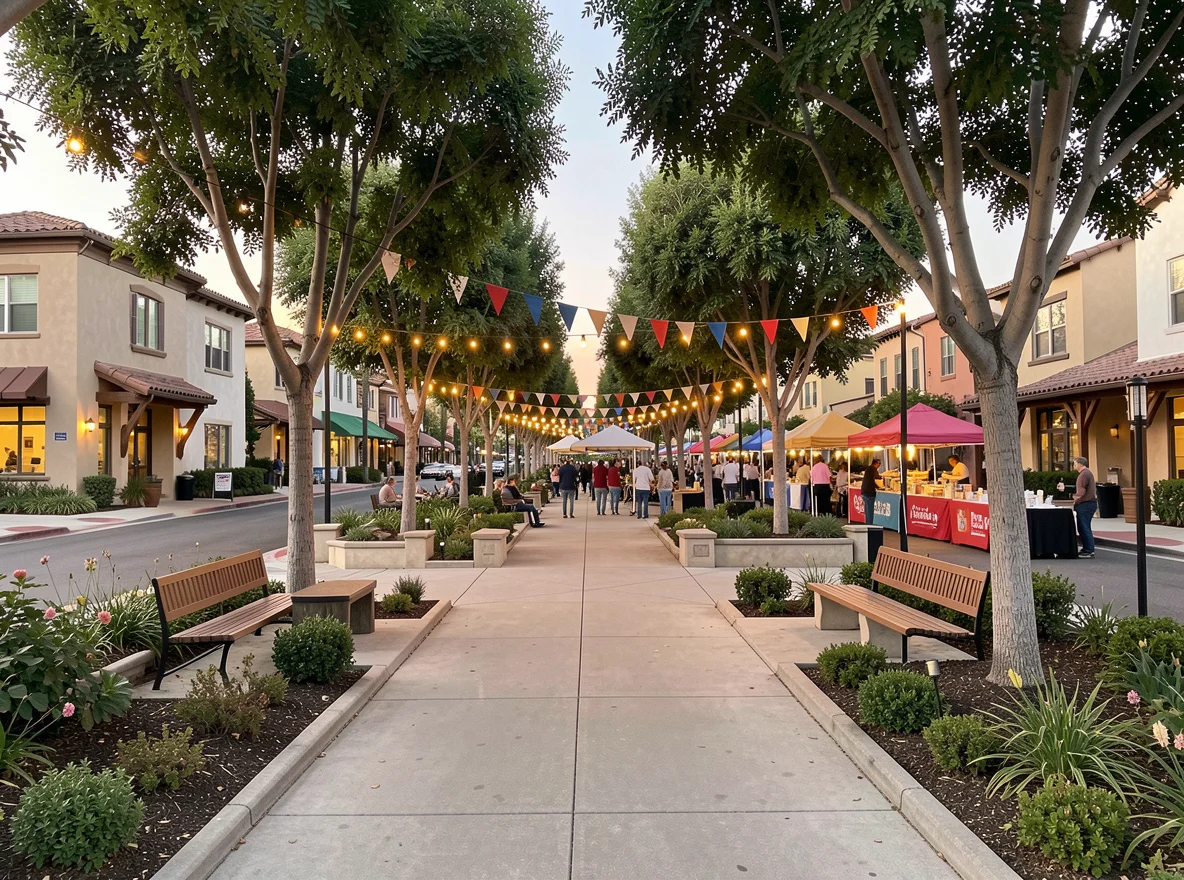
For buyers comparing Irvine and Pasadena, it is useful to remember that each city offers a distinct housing landscape. Irvine is often associated with master-planned neighborhoods, newer developments, parks, retail centers, and a broad range of condominium and single-family options. Pasadena blends historic charm, established residential streets, cultural institutions, recreation areas, and a housing stock that can include everything from updated condos to classic early-20th-century homes. Local inventory, pricing patterns, commute considerations, school district research, and property condition all shape the decision, so narrowing your search criteria early can save time and sharpen your offer strategy.
Throughout the process, the most effective buyers tend to be the most informed rather than the most aggressive. They know their budget, understand the transaction steps, read the disclosures, and ask timely questions. That combination creates flexibility when negotiating and confidence when signing final papers. Whether you are purchasing a first home, moving across the region, or planning a long-term investment in Southern California real estate, a clear plan for financing, inspections, and closing can turn a complicated process into a more predictable one.
A Smoother Path Starts with Preparation
In Irvine and Pasadena, successful home buying is rarely about luck alone. It usually comes down to having financing lined up, understanding how to evaluate condition, and staying organized through escrow. With the right preparation, buyers can move through each stage with fewer surprises, stronger negotiating position, and a clearer sense of what comes next. When the paperwork is complete and the keys are finally in hand, that steady groundwork is what makes the finish line feel worthwhile.